
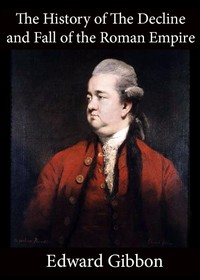
History of the Decline and Fall of the Roman Empire — Volume 4 by Edward Gibbon
Welcome back to Gibbon's grand tour of imperial collapse. If the earlier volumes set the stage, Volume 4 is where the roof finally caves in. We pick up in the late 4th century and barrel straight through to 476 AD, the traditional date marking the end of the Western Roman Empire.
The Story
This isn't a simple story of barbarians storming the gates. Gibbon paints a picture of an empire slowly hollowed out from within. We follow a rapid-fire succession of weak or unlucky emperors, often puppets for powerful military generals. The real power shifts to figures like the Vandal Stilicho and the Goth Alaric, who work for Rome until they don't. The book's pivotal moments are the two sacks of Rome itself—first by Alaric's Visigoths in 410, and later by the Vandals in 455. These aren't just military defeats; they are profound psychological shocks to the ancient world. Gibbon tracks the empire's retreat, its provinces splintering off into independent kingdoms, until the last emperor in the West, Romulus Augustulus, is quietly deposed. The story continues in the East, showing how the Byzantine Empire managed to survive where the West failed.
Why You Should Read It
Gibbon's genius is in the details. He makes you feel the sheer unpredictability of the era. One chapter you're with a emperor making a fatal error, the next you're seeing how a migration across a river changed everything. He doesn't just blame the barbarians; he shows how Roman political corruption, economic strain, and military overreach made the empire vulnerable. Reading this, you start to see patterns that feel unsettlingly familiar. It's a masterclass in how great powers fail—not from one cause, but from a perfect storm of problems they can no longer solve.
Final Verdict
This is for the reader who loves big, sweeping history but craves the human drama within it. It's perfect for fans of narrative historians like Tom Holland or Mary Beard, but who want to go straight to the granddaddy of them all. Be warned: Gibbon's prose is from the 18th century, so it demands your attention. But if you stick with it, you get an unparalleled ringside seat to the end of an ancient world. It's not a light read, but for anyone fascinated by the fall of empires, the chaos of transition, and stories where there are no easy answers, it is an absolutely essential and thrilling one.
The copyright for this book has expired, making it public property. You do not need permission to reproduce this work.






Thomas Johnson
4 months agoComparing this to other titles in the same genre, it addresses the common misconceptions in a very professional manner. A perfect balance of theory and practical advice.